
The Locked-Room Pressure
The Mysterious Affair at StylesThe sealed bedroom appears to limit access, but the doors, timing, and overlooked route steadily undermine the household’s first assumptions.
increasing Bearing strength in each event
 decreasing
Bearing strength in each eventdecreasingDoors Bolted
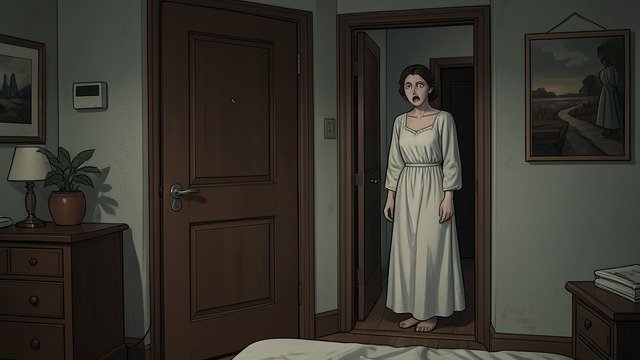
A Sealed Bedroom
Family at the Door
The household finds Emily behind a locked bedroom door during her fatal attack. The connecting doors also appear fastened, giving the room the look of an impossible crime.
Access Becomes the Question
The locks make every witness’s account consequential. Poirot distinguishes a door that is merely shut from one that is actually bolted, a small difference with large implications.
The Bolts Examined
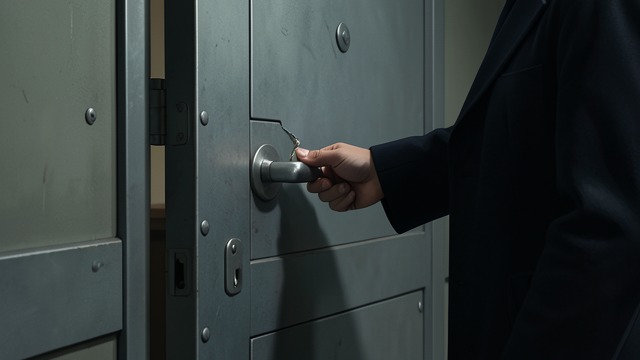
A Mechanical Clue
Poirot Tests the Door
Poirot carefully examines the bedroom’s bolts and retrieves a tiny fragment from one. The room is not simply a sealed puzzle; its hardware preserves traces of movement.
Witness Certainty Questioned
Several people speak of the connecting door as bolted without having inspected it closely. Their language expresses assumption rather than reliable observation, complicating the apparent impossibility.
Mary’s Route
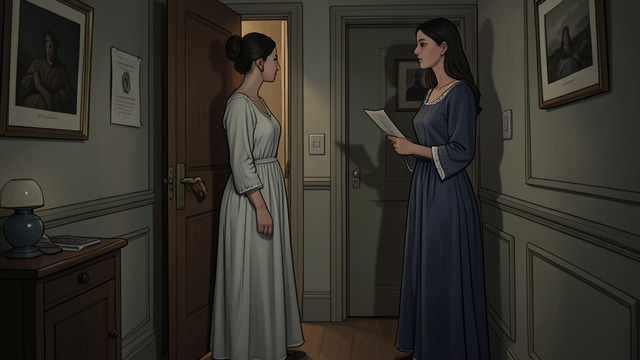
Entry Through Cynthia’s Room
A Hidden Passage
Mary enters Emily’s room through the communicating door from Cynthia’s room, seeking a paper. She has access to the passage because the door has been left unbolted.
Panic at the Collapse
When Emily falls ill, Mary retreats and helps wake Cynthia, concealing that she had been in the room. The apparent locked-room mystery is partly produced by her silence.
Hastings as a Test
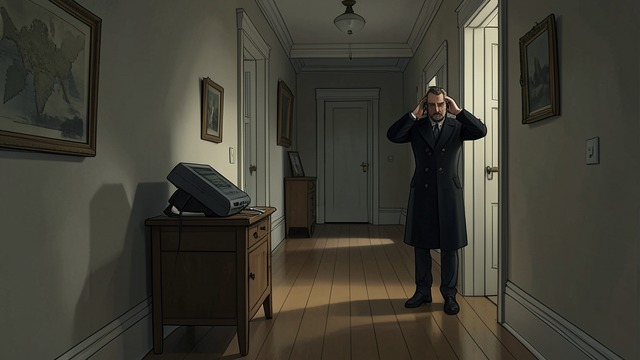
Sound and Distance
A Controlled Experiment
Poirot places Hastings in the corridor and recreates the sound of the bedside table falling. Hastings hears nothing from the position Mary claimed to occupy.
Testimony Reconsidered
The experiment suggests Mary was not in her room when she said she was. Poirot does not treat her lie as proof of murder; it redirects him toward her search for the hidden paper.
The Room Explained
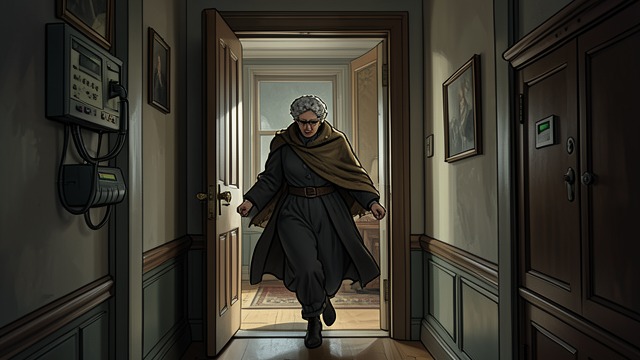
A False Impossibility
A Route and a Retreat
Poirot reconstructs Mary’s entrance through Cynthia’s room and her return to the passage as the household gathers. The open route explains how someone could enter without violating the locked outer door.
Secrets Misread as Guilt
Mary’s concealed movements arise from jealousy and fear, not from the poisoning plot. Her account is untrue, but the room’s mystery dissolves once motive and access are separated.
Early morning on 18 July
Morning after Emily’s death
Night of 17 July
After the inquest
During Poirot’s final explanation
